
How to put on a western saddle
- Prepare Your Horse:
- Ensure your horse is calm and tied securely to prevent movement.
- Brush your horse to remove dirt and debris from the saddle area.http://thesaddlehouse.com
- Assess the Saddle Pad:
- Use a saddle pad or blanket to protect your horse’s back. Lay it flat along the back, positioning it slightly forward to account for saddle placement.
- Position the Saddle:
- Stand on the horse’s left side. Hold the saddle by the horn and gently swing it up towards the horse’s back.
- Aim to set the saddle approximately 1-2 inches behind the shoulder blade for proper fit.
- Set the Saddle Down:
- Lower the saddle onto the saddle pad gently, ensuring it settles evenly on both sides.
- Check for proper alignment: the saddle should sit squarely on the horse’s back.
- Secure the Girth:
- Move to the right side of the horse and grab the girth. Bring it underneath the horse’s belly and attach it to the cinch on the left side.
- Make sure the girth is snug but not overly tight, allowing the horse to move comfortably.
- Adjust the Saddle:
- Check the fit of the saddle by placing a fist between the saddle and the horse’s back. Ensure that it sits evenly without pinching.
- Adjust the girth as needed for security, checking from both sides.
- Final Check:
- Inspect the saddle’s placement and alignment, making sure it is secure and comfortable.
- Ensure all straps and equipment are properly fastened.
- Get Ready to Ride!
- Once satisfied with the saddle fit, mount your horse and enjoy the ride!
Tips:
- Always check the saddle fit periodically while riding to ensure it remains comfortable for your horse.
- If you are unfamiliar with saddling, consider seeking guidance from an experienced rider or equestrian professional.
How to measure a western saddle gullet
- Gather Your Tools:
- A measuring tape (preferably a flexible one).
- A helper (optional, but can be useful).
- Prepare the Saddle:
- Place the saddle on a flat surface or a saddle rack, ensuring that it is upright and stable.
- If available, use a saddle pad to approximate the fit as it would be on a horse.
- Locate the Gullet:
- The gullet is the space in the saddle tree that runs along the spine of the horse, allowing clearance and preventing pressure on the withers.
- It’s typically the area directly under the saddle horn and above the saddle skirt.
- Measure the Width of the Gullet:
- Using your measuring tape, measure the width of the gullet at its widest point (usually near the front of the saddle).
- Ensure that the tape is straight and parallel to the ground for an accurate measurement.
- Record the measurement in inches.
- Optional: Measure the Length:
- If needed, you can also measure the length of the gullet to get a better idea of fit. This measurement can be taken from the front of the gullet to the back, following the curve.
- Interpret the Measurement:
- Common gullet widths vary:
- Narrow gullet: 6.5 inches or less
- Medium gullet: 7 inches
- Wide gullet: 7.5 inches or more
- Choosing the right width is crucial and can depend on your horse’s withers and back shape.
- Common gullet widths vary:
Additional Tips:
- Always have your horse’s measurements in mind when fitting a saddle. A proper gullet ensures comfort and safety.
- If you’re unsure about the fit, consider consulting with a saddle fitting professional. for more information visist https://westerngearshop.com for a perfect saddle
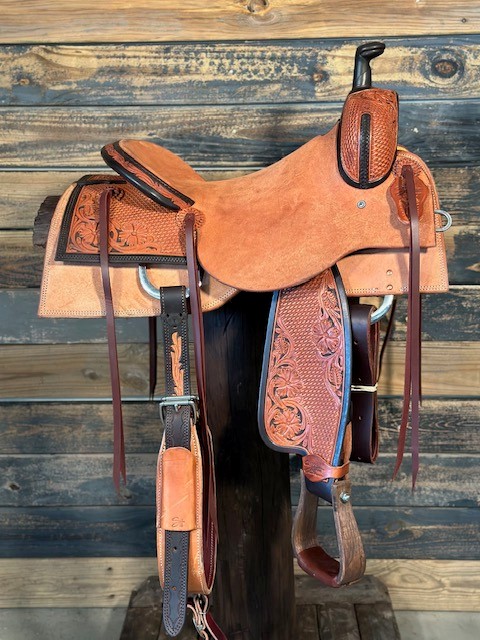
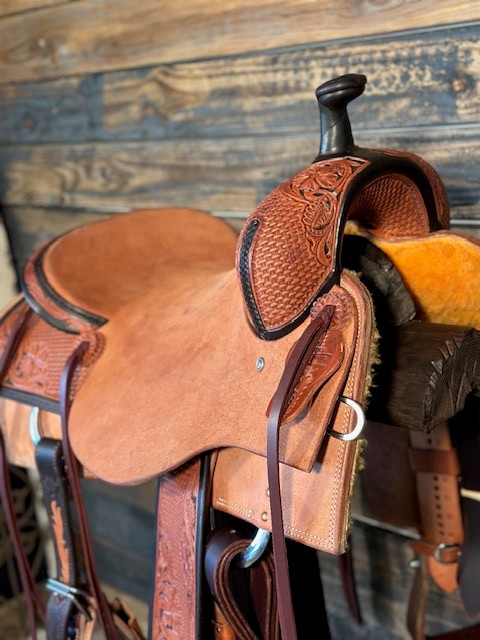
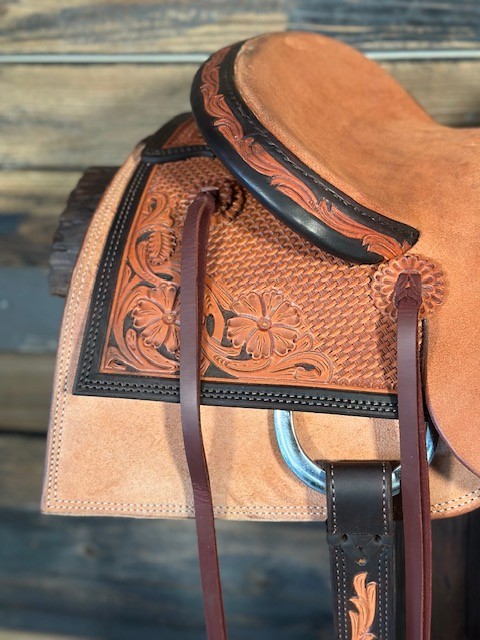
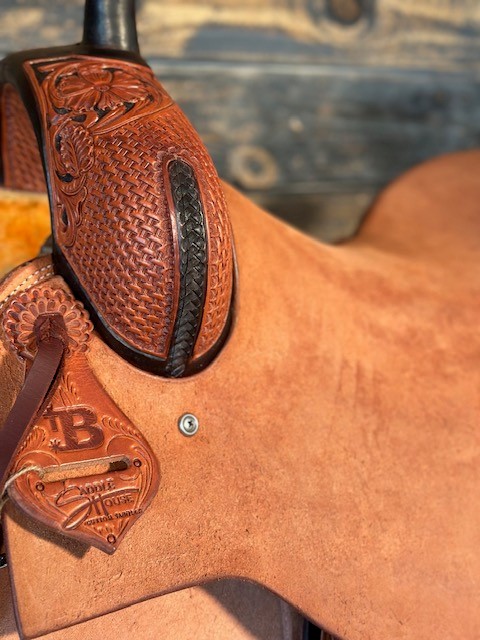
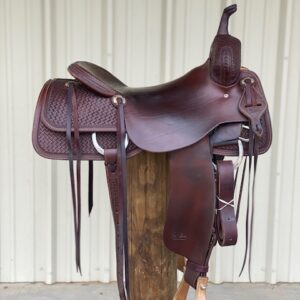
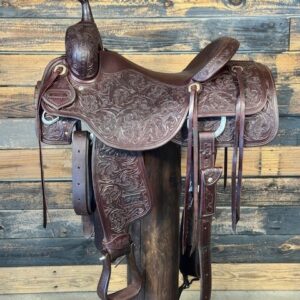
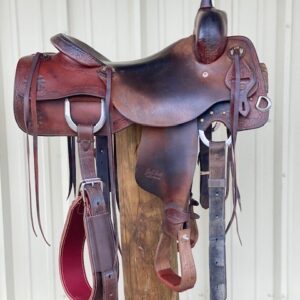
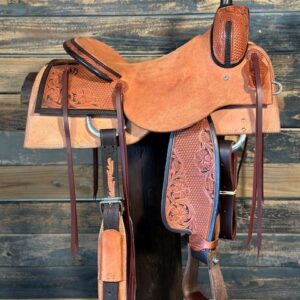
Baldus Versatility Saddle
Key Features of the Baldus Versatility Saddle
- Versatile Design:
- The saddle’s configuration makes it suitable for various disciplines, including trail riding, ranch work, and general riding.
- Comfort:
- Designed with padded seats and contoured panels to enhance comfort for both the rider and the horse, allowing for longer rides without discomfort.
- Adjustable Components:
- Equipped with adjustable features such as stirrup leathers and girths, enabling riders to tailor the fit for their specific needs.
- Durable Materials:
- Constructed from high-quality leather or synthetic materials that provide durability and resistance to wear, suitable for various weather conditions.
- Balanced Seat:
- The balanced seat design ensures that the rider maintains an optimal position, enhancing stability and control while riding.
- Various Sizes:
- Usually available in multiple sizes to accommodate different horse breeds and rider preferences, ensuring a good fit for both horse and rider.
- Aesthetic Appeal:
- Often characterized by attractive tooling and finishes, adding visual appeal while remaining functional.
Advantages of the Baldus Versatility Saddle
- Multi-Disciplinary Use:
- Perfect for riders who engage in a variety of equestrian activities, making it a cost-effective saddle option.
- Comfort for Longer Rides:
- The ergonomic design promotes less fatigue during rides, benefiting both experienced riders and newcomers.
- Customizable Fit:
- The adjustability options allow for easy modifications, helping to find the perfect match for different horse shapes.
Considerations
- Weight:
- Depending on the materials used, some riders may find versatility saddles heavier than specialized saddles.
- Price Point:
- Higher quality versatility saddles may come at a premium cost, but the investment often pays off in durability and comfort.
Conclusion
The Baldus Versatility Saddle stands out for its combination of comfort, adaptability, and quality materials. It’s an excellent choice for riders looking for a saddle that can perform well across multiple disciplines while ensuring a comfortable experience for both horse and rider.
Reviews
There are no reviews yet.