
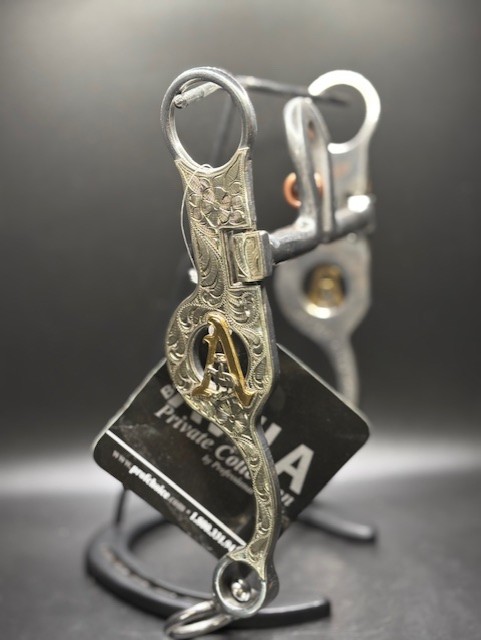
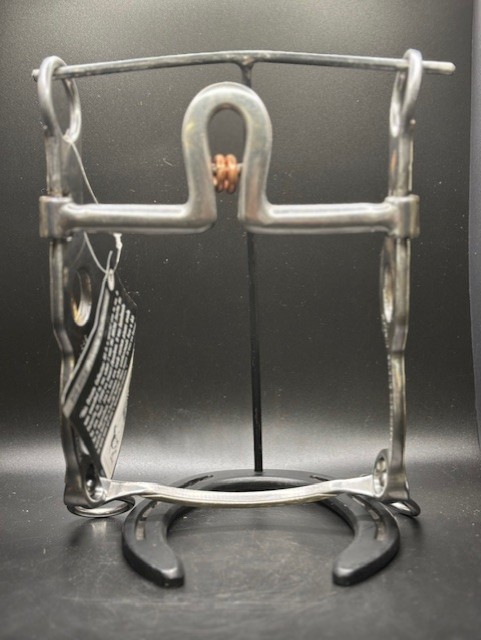
Western horse bit
A western bit is a type of bit used in Western riding disciplines, particularly in rodeo events and trail riding. Bits are essential tools for communication between horse and rider, helping to convey signals and commands. Here’s an overview of western bits:http://horsebit.com
Types of Western Bits
- Snaffle Bit:
- Description: A simple design with a single joint. It applies direct pressure on the horse’s mouth.
- Uses: Great for training and starting young horses, providing a gentle, responsive way to communicate.
- Curbed Bit (or Curb Bit):
- Description: Has a shank and a ported or non-ported mouthpiece. It provides leverage, allowing for more control.
- Uses: Popular in disciplines like roping and cutting. It can offer more stopping power and is often used with more experienced horses.
- Western Hackamore:
- Description: A bitless option that utilizes a bridle and noseband for pressure rather than mouth pressure.
- Uses: Good for horses that are sensitive to bits or for riders looking for a kinder option.
- Ported Bit:
- Description: Designed with a raised area in the center, providing more pressure on the horse’s palate.
- Uses: Helps in lateral communication and is often used in more advanced riding.
Key Features
- Material:
- Bits can be made from various materials, including stainless steel, copper, or rubber. Each material offers different sensations and responses for the horse.
- Mouthpiece:
- Variations in thickness and shape can affect how the bit feels in the horse’s mouth. Thinner bits provide more direct feedback, while thicker bits tend to be more comfortable.
- Shank Length:
- The length of the shank affects the leverage and severity of the bit. Longer shanks provide more leverage but can also be harsher.
Choosing the Right Bit
- Horse’s Level of Training:
- Experienced horses may respond better to more advanced bits, while younger or less trained horses benefit from gentler snaffle bits.
- Riding Discipline:
- Consider the specific demands of the riding style. For example, roping or cutting may require different bits compared to trail riding.
- Horse’s Preferences:
- Each horse is unique; some may respond better to specific bits, so experimentation might be necessary to find the right fit.
Care and Maintenance
- Cleaning:
- Rinse bits thoroughly after each ride to remove saliva and dirt, preventing rust and buildup. Regular cleaning helps maintain the quality and integrity of the material.
- Inspection:
- Regularly check for signs of wear, rust, or damage. Replace bits that show signs of significant wear to ensure safety and effectiveness.
Conclusion
Western bits are crucial tools for effective communication between horse and rider. Understanding the various types, features, and how to choose the right bit can enhance both riding experience and performance. Always prioritize the comfort and well-being of your horse when selecting and using a bit.https://westerngearshop.com


Reviews
There are no reviews yet.